Best Floor Waxing Methods for Different Floor Types
People seeking floor waxing often want a durable, shiny finish for their floors, and local contractors can recommend the best methods for different floor types.
Understanding the best floor waxing methods for different floor types is essential for maintaining the beauty and longevity of a property’s surfaces. Whether dealing with hardwood, tile, vinyl, or concrete floors, selecting the right approach can make a significant difference in achieving a smooth, durable finish. Property owners in the area often explore this topic to ensure their floors receive appropriate care, especially when considering how different materials respond to various waxing techniques. Local service providers specializing in floor waxing can offer tailored solutions, helping homeowners and business owners protect their investments with professional expertise.
Continuing to learn about effective waxing methods can empower property owners to make informed decisions about their flooring maintenance routines. Proper techniques not only enhance the appearance but also extend the lifespan of floors, reducing the need for costly repairs or replacements down the line. By connecting with experienced local contractors, those interested in this topic can find the right professionals to handle specialized waxing services suited to each floor type. This ensures that every surface receives the appropriate treatment, keeping spaces looking their best with minimal hassle.
- Wood floors - homeowners seeking to maintain their hardwood’s shine and durability can rely on local contractors to apply the appropriate waxing techniques suited for wood surfaces.
- Tile floors - property owners with ceramic or porcelain tiles often need specialized wax application to enhance appearance and protect grout lines, with local pros customizing their approach accordingly.
- Vinyl floors - those looking to preserve the flexibility and finish of vinyl flooring can find local service providers skilled in selecting and applying the best wax methods for this material.
- Concrete floors - commercial or residential clients with concrete surfaces may require specific waxing techniques to improve longevity and slip resistance, handled by experienced local contractors.
- Laminate floors - individuals wanting to avoid damage to their laminate surfaces can work with local pros who know the best waxing methods to preserve their flooring’s appearance without causing harm.
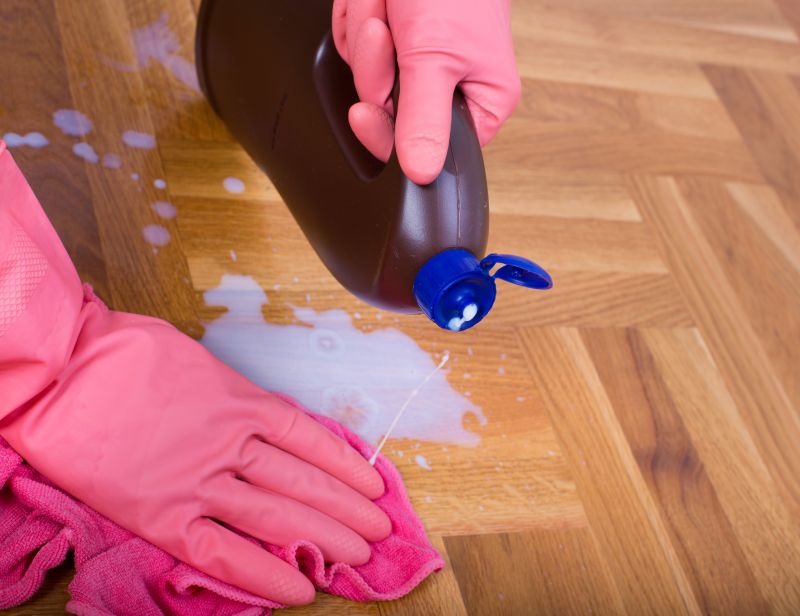

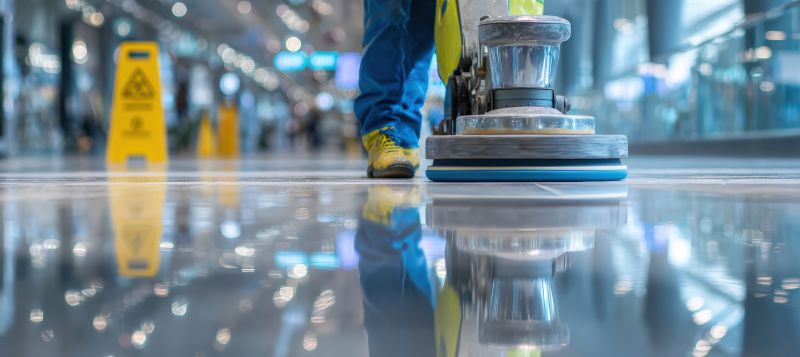
When searching for information about the best floor waxing methods for different floor types, homeowners typically want guidance on how to keep their floors looking their best while avoiding damage. This topic often relates to maintaining the appearance and longevity of various flooring materials, whether for a new installation or ongoing upkeep. People may be planning a renovation, preparing for a special event, or simply seeking ways to restore the shine of worn or dull floors. Understanding the most suitable waxing techniques helps prevent common issues like streaking, uneven finishes, or surface damage, making it a key concern for those aiming to preserve their property's aesthetic appeal.
The conversation around floor waxing methods usually ties into broader property maintenance plans. Homeowners with hardwood, vinyl, tile, or linoleum floors often want to know which products and techniques will deliver the best results without harming the surface. Problems like scratches, discoloration, or build-up from improper waxing can lead to costly repairs or refinishing projects. Choosing the right method also involves considering the specific conditions of the space, such as high foot traffic or exposure to moisture. Many property owners turn to local contractors who specialize in floor care, trusting their expertise to recommend and apply the most effective waxing solutions suited to each floor type.
Different types of properties regularly come up in discussions about floor waxing, from residential homes and apartment complexes to commercial spaces like offices or retail stores. In homes, the goal is often to maintain a warm, inviting look while protecting floors from daily wear. Commercial properties, on the other hand, may require more durable finishes that can withstand heavy foot traffic and frequent cleaning. The type of flooring material plays a significant role in determining which waxing method will be most effective. Local service providers are equipped to assess the specific needs of each property, offering tailored advice and professional application services to ensure floors are properly cared for and maintain their appearance over time.
Ultimately, understanding the best floor waxing methods for different floor types helps property owners make informed decisions about maintenance routines. While some floors benefit from traditional wax finishes, others may require specialized products or techniques to achieve a high-quality shine without risking damage. Engaging with experienced local contractors ensures that the appropriate method is selected and correctly applied, providing long-lasting results. Whether for a residential space or a commercial setting, connecting with qualified service providers can make a significant difference in preserving the beauty and durability of various flooring materials, helping property owners achieve professional-looking results with confidence.
Floor polishing projects - require similar surface preparation and finishing skills as applying floor wax, often involving the use of specialized tools and techniques to achieve a smooth, glossy surface.
Marble and stone floor sealing - involves understanding different surface types and appropriate protective coatings, which relates closely to selecting suitable waxes for various floor materials.
Wood floor refinishing - shares techniques for sanding, surface preparation, and applying protective finishes, making it relevant for professionals experienced in floor waxing for wooden surfaces.
Tiling and grout sealing - demands precise application and surface cleaning skills, similar to the prep work needed before waxing different types of floors.
Laminate floor restoration - includes cleaning, buffing, and applying protective layers, aligning with best practices for maintaining the appearance of laminate flooring through waxing methods.
Commercial floor stripping and waxing - involves large-scale surface prep and finishing, requiring knowledge of different floor types and appropriate waxing techniques for durable results.
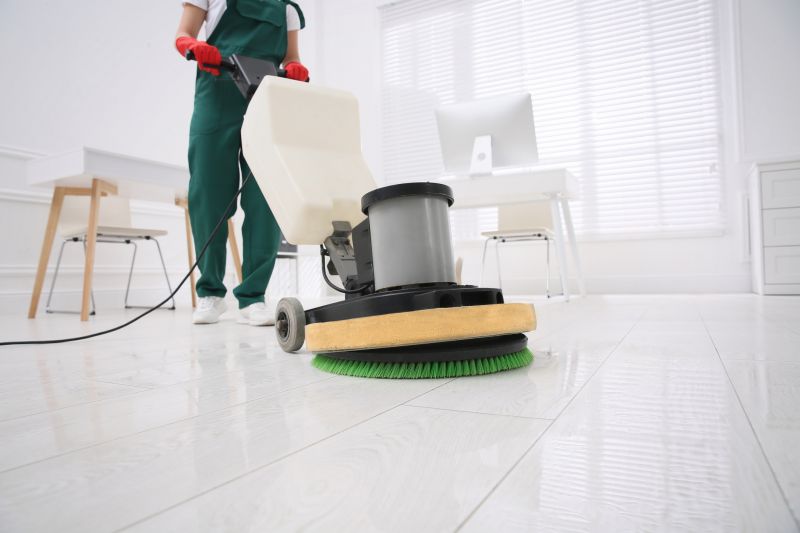
When evaluating service providers for floor waxing, it’s important to consider their experience with similar projects, especially those involving different floor types such as hardwood, tile, or laminate. A contractor’s familiarity with the best floor waxing methods for different floor types can influence the quality and durability of the finish. Homeowners should inquire about the types of floors they have previously worked on and request examples or references that demonstrate their expertise in handling specific flooring materials. This helps ensure that the chosen local contractors understand the nuances of each floor type and can recommend appropriate waxing techniques.
Clear written expectations are essential when comparing local pros for floor waxing services. Detailed communication about the scope of work, the specific waxing methods to be used, and the type of products involved can prevent misunderstandings. Homeowners should seek service providers who are transparent about their process and can provide explanations tailored to the floor’s material. Having a clear understanding of what to expect helps homeowners make informed decisions and ensures that the waxing service aligns with their needs and the floor’s requirements.
Reputable references and good communication are key indicators of reliable local contractors. References from previous clients who had similar flooring and waxing needs can provide insights into the contractor’s professionalism and quality of work. Additionally, service providers who communicate clearly and promptly tend to be more dependable, making it easier for homeowners to ask questions, express concerns, and stay informed throughout the project. Focusing on these qualities can help homeowners select a trusted partner capable of delivering effective floor waxing services tailored to different floor types.
Property owners often search for best floor waxing methods for different floor types when they are planning practical projects around their homes and businesses. Local pros provide Floor Waxing services for everyday jobs and straightforward project options.
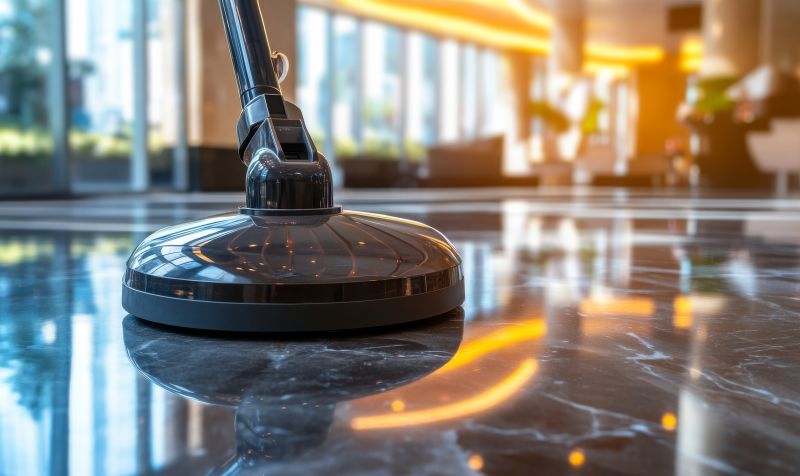
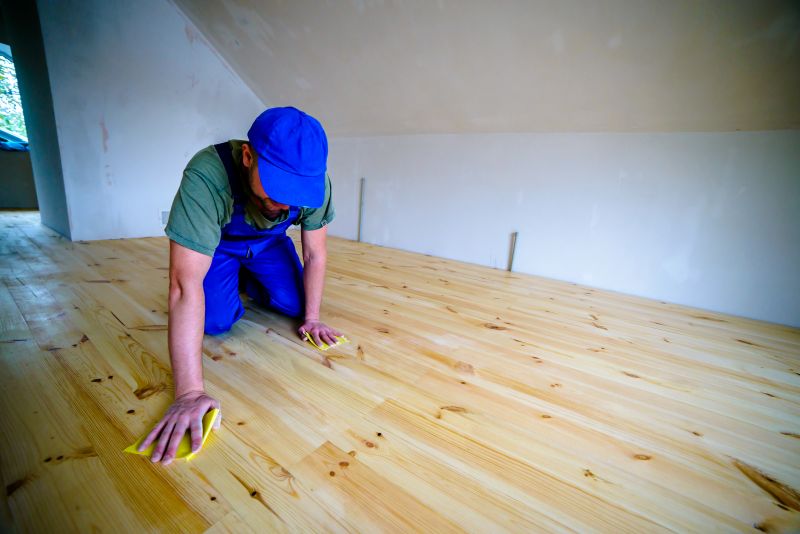
Homeowners in the area often seek advice on the best floor waxing methods for different floor types to keep their surfaces looking polished and well-maintained. Whether dealing with hardwood, vinyl, tile, or laminate flooring, choosing the right waxing technique can help protect the surface and enhance its appearance. Many property owners turn to local contractors who specialize in flooring care to ensure the job is done correctly, using methods suited to each specific material. These professionals can assess the floor type and recommend the most effective waxing approach, saving time and preventing potential damage caused by inappropriate products or techniques.
For those considering professional floor waxing services, understanding the differences in floor types highlights the importance of tailored solutions. Local service providers offer expertise in applying the appropriate waxes and finishes that suit the unique needs of each surface, whether it’s a high-traffic hardwood floor or a delicate tile. By choosing experienced contractors, property owners can ensure their floors receive a proper, long-lasting shine that preserves the integrity of the material. This targeted approach helps maintain the beauty of the floors while reducing the risk of wear and tear over time.
What are the best floor waxing methods for hardwood floors? Local contractors often recommend using a high-quality wax that is specifically formulated for hardwood, applying it with a clean cloth or buffer to achieve a smooth, protective finish. They may also suggest periodic buffing to maintain shine and durability.
How should floor waxing be approached for tile surfaces? For tile floors, service providers typically advise using a wax suitable for ceramic or porcelain, applying it evenly with a mop or applicator, and ensuring proper curing to prevent slipping and staining.
Are there specific wax types recommended for vinyl floors? Yes, local pros generally recommend using a soft wax or acrylic-based product designed for vinyl, which can help preserve flexibility and prevent damage, applied with gentle buffing for a uniform look.
Can different floor types be waxed using the same method? No, different floors require tailored waxing techniques and products; for example, wood may need a different wax and application method compared to stone or laminate floors, which local service providers can determine based on the floor type.
Why is it important to choose the right waxing method for each floor type? Using the correct waxing method helps protect the floor, enhances its appearance, and extends its lifespan; local pros can advise on the best approach for each specific floor material to ensure optimal results.
Assessing floor material - property owners can work with local contractors to identify the specific type of flooring before choosing the most suitable wax application method.
Choosing the right wax product - experts can recommend the best wax formulations for different floor surfaces to ensure optimal shine and protection.
Applying wax properly - local service providers can perform even, thin coats of wax tailored to each floor type, preventing buildup or uneven finishes.
Maintaining the finish - property owners can follow professional guidance on regular polishing and reapplication techniques to preserve the waxed surface over time.
If you are thinking about best floor waxing methods for different floor types for a property, this guide is meant to help you understand this topic, the typical project types, and how different options might fit your plans.
When you are ready, you can use the quote form on this page to share a few details about your project. From there, local pros can review the basics and follow up with options that match what you have in mind.